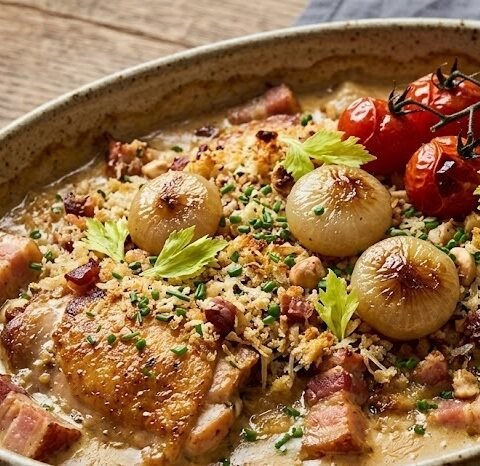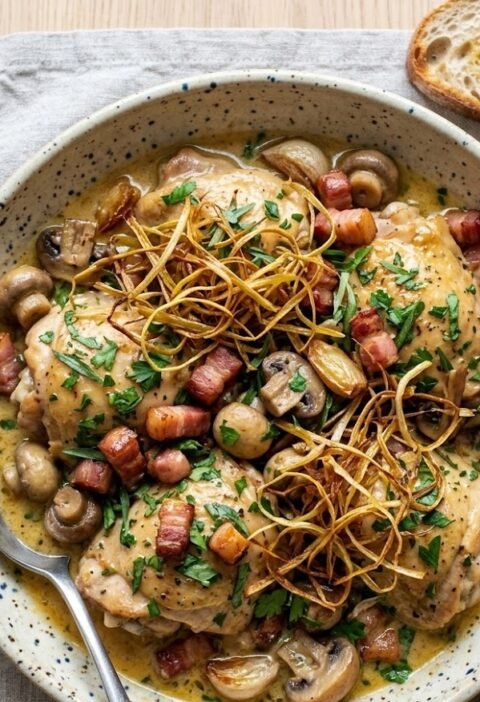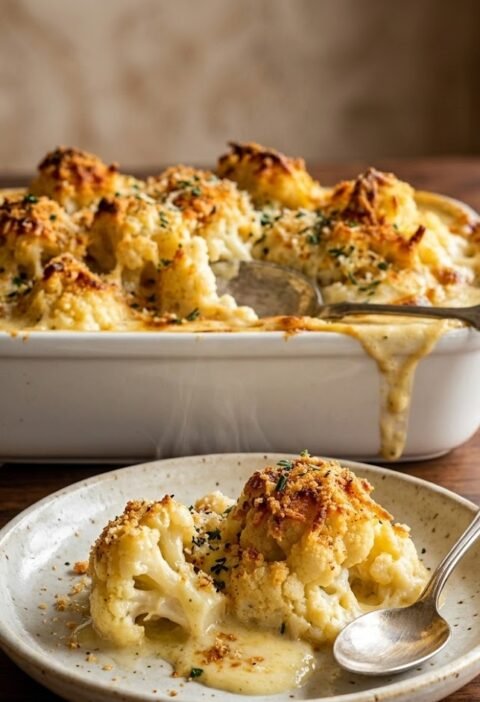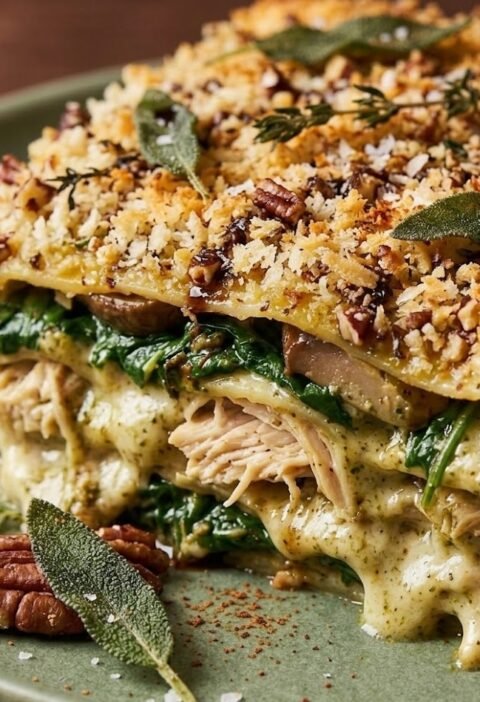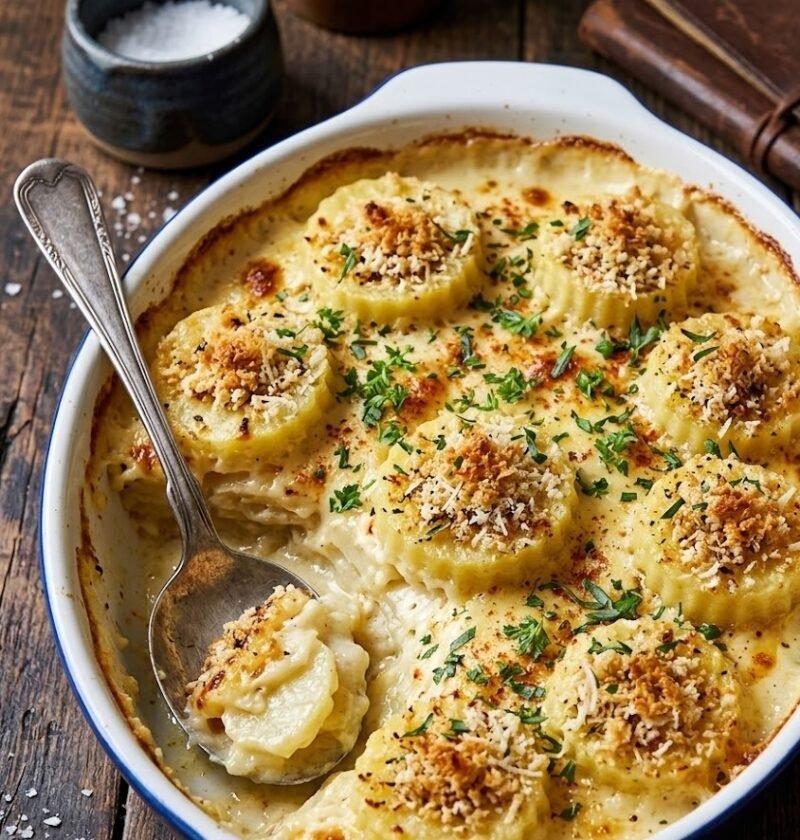
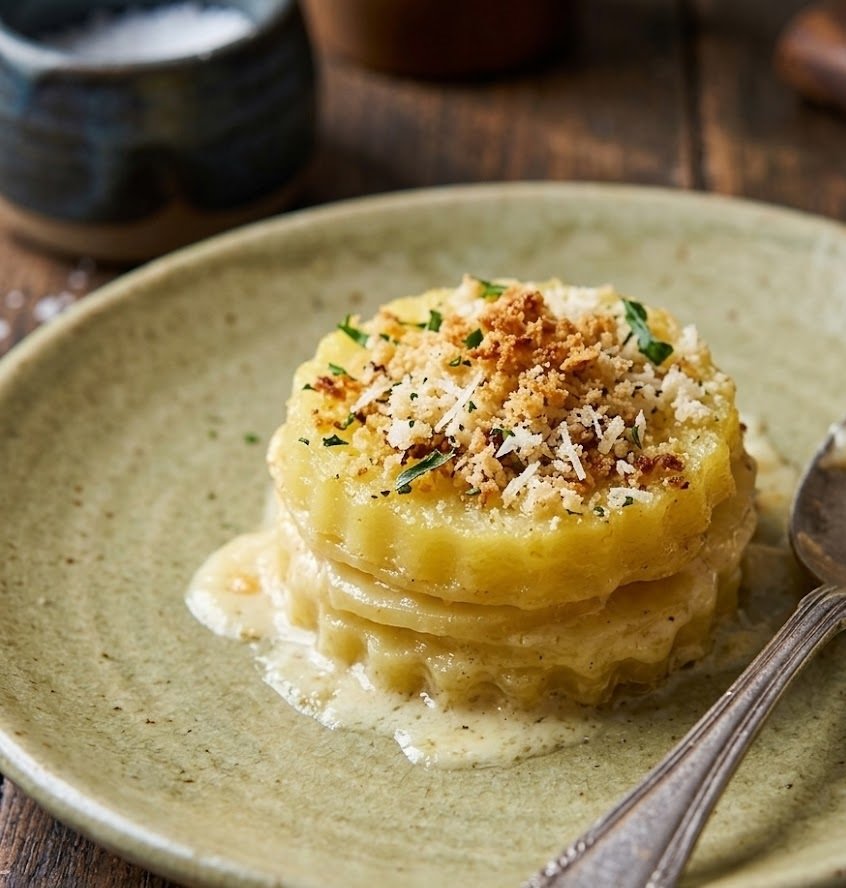
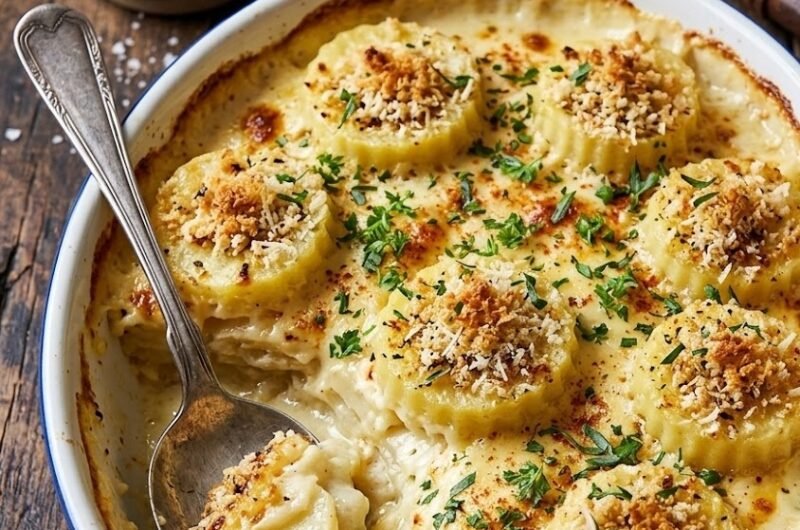
If you’re looking for an elegant yet comforting side dish, this Mary Berry Individual Dauphinoise Potatoes recipe is just the thing. These little pots are made with wafer-thin potatoes baked slowly in a rich cream and garlic mixture, creating a beautifully tender texture with golden, crisp tops. They’re surprisingly easy to make, with a difficulty level that’s perfect for beginners and more confident cooks alike. From start to finish, you’ll need around 15 minutes of prep time and 45 minutes of baking, giving you a total time of about 1 hour.
Ingredients
For the potatoes
- 600g Maris Piper potatoes, peeled
- 15g unsalted butter, softened (for greasing the ramekins)
For the cream mixture
- 300ml double cream
- 150ml whole milk
- 2 small garlic cloves, peeled and finely crushed
- 1/4 tsp freshly grated nutmeg
- 3/4 tsp fine sea salt
- 1/4 tsp freshly ground black pepper
For the topping
- 30g Gruyère cheese, finely grated
- A small knob of butter, cut into tiny dots (optional, for extra browning)
How to Make Mary Berry Individual Dauphinoise Potatoes
- Prepare the oven: Preheat the oven to 180°C (160°C fan). Place a shelf in the middle of the oven so the ramekins cook evenly and the tops colour nicely.
- Grease the ramekins: Lightly butter the inside of 6 x 150ml ramekins, making sure to coat the bottom and sides well. This will help prevent sticking and make them easier to serve.
- Slice the potatoes: Using a sharp knife or a mandoline set to about 2-3mm, slice the potatoes as thinly and evenly as possible. Try to keep the slices uniform, as this will help them cook at the same rate.
- Make the cream mixture: In a large jug or mixing bowl, whisk together the double cream, whole milk, crushed garlic, nutmeg, salt, and pepper. Stir until everything is well combined.
- Layer the potatoes: Divide the potato slices evenly between the prepared ramekins. Layer them slightly overlapping as you go, pressing them down gently to help them settle. Aim for about three to four layers per ramekin.
- Pour over the cream: Slowly pour the cream mixture over each ramekin, making sure it seeps down between the layers. Fill each one until the cream just reaches the top layer of potatoes, but not so much that it overflows.
- Add the topping: Scatter the grated Gruyère evenly over the tops of each ramekin. If you’d like a little extra golden colour, dot a few tiny pieces of butter over the cheese.
- Bake the ramekins: Place the ramekins on a baking tray (this makes them easier to move and catches any spills). Bake for 45 minutes, or until the potatoes are completely tender when pierced with a skewer and the tops are golden and bubbling.
- Cool slightly before serving: Remove the tray from the oven and leave the ramekins to cool for 5 to 10 minutes. This helps the cream settle and makes them easier to handle. Serve straight from the ramekins while still warm.
Tips
Why are my potatoes still firm after baking?
If your potatoes aren’t tender, it’s usually down to slicing them too thick or not baking for long enough. Use a mandoline for consistent 2-3mm slices, and always test with a skewer right through to the bottom. If they’re still firm, cover loosely with foil and bake for another 5 to 10 minutes.
How can I stop the cream from splitting?
Dauphinoise is best baked gently. Make sure your oven isn’t too hot and avoid boiling the cream mixture beforehand. Baking at 180°C (160°C fan) allows the cream to thicken slowly without splitting, giving you that silky texture.
What can I do to get a really crisp top?
For a golden, crisp finish, use Gruyère or another good melting cheese, and add a few dots of butter on top. If you find the tops aren’t browning enough towards the end, switch to the grill for 2 to 3 minutes, keeping a close eye on them so they don’t burn.
Can I prepare these in advance without losing texture?
Yes. You can assemble the ramekins up to 24 hours ahead, cover them with cling film, and refrigerate. When you’re ready to bake, take them out of the fridge about 20 minutes beforehand to take the chill off, then bake as directed. You may need to add an extra 5 minutes to the cooking time.
Serving Suggestions
- Classic roast dinner: Serve alongside roast beef, roast chicken, or lamb for a traditional Sunday lunch.
- Special occasion main: Pair with pan-seared salmon or a tender pork fillet for an elegant meal.
- Light option: Enjoy with a crisp green salad and some steamed greens for a simple yet satisfying dish.
- Vegetarian spread: Serve as part of a vegetarian feast with roasted vegetables or a hearty mushroom wellington.
Storage
Room temperature
These are best served warm straight from the oven. If left out at room temperature, they should not be kept for longer than 2 hours for food safety reasons.
Refrigerator
Allow any leftovers to cool completely, then cover the ramekins tightly or transfer to an airtight container. They will keep well in the fridge for up to 3 days.
Freezing
Individual portions freeze surprisingly well. Once cooled, wrap each ramekin tightly in cling film and foil, or place in a freezer-safe container. Freeze for up to 2 months. To reheat, defrost overnight in the fridge, then cover loosely with foil and warm in a 160°C (140°C fan) oven for 20 to 25 minutes until piping hot.
Nutrition
- Calories: 285 kcal per serving
- Carbohydrates: 20g
- Protein: 6g
- Fat: 20g
- Saturated fat: 12g
- Sodium: 240mg
Disclaimer: These values are estimates and may vary depending on the exact ingredients and portion sizes used.
FAQs
Can I make these dauphinoise potatoes without Gruyère?
Yes, you can swap Gruyère for other cheeses like Cheddar, Emmental, or Parmesan. Each will give a slightly different flavour, but they’ll still melt nicely and create a lovely golden top.
Which potatoes are best for individual dauphinoise?
Maris Piper potatoes are ideal, as they hold their shape well while becoming beautifully fluffy and creamy when baked. King Edward potatoes also work well as an alternative.
Can I prepare these ahead of time and reheat them?
Yes. Once baked and cooled, refrigerate them for up to 3 days. To reheat, cover loosely with foil and warm in a 160°C (140°C fan) oven for 15 to 20 minutes, or until heated through.
Do I need to rinse the potato slices before layering?
No, there’s no need to rinse them for dauphinoise. Leaving the starch on helps the cream thicken slightly as it bakes, giving you that classic, silky texture.
Mary Berry Individual Dauphinoise Potatoes Recipe
Course: Side DishCuisine: BritishDifficulty: Easy4
servings30
minutes40
minutes300
kcal1
hour10
minutesCreamy, tender individual dauphinoise potatoes baked with garlic, cream, and Gruyère. A classic Mary Berry side dish that’s perfect for any occasion.
Ingredients
600g Maris Piper potatoes, peeled
15g unsalted butter, softened (for greasing)
300ml double cream
150ml whole milk
2 small garlic cloves, peeled and finely crushed
1/4 tsp freshly grated nutmeg
3/4 tsp fine sea salt
1/4 tsp freshly ground black pepper
30g Gruyère cheese, finely grated
Directions
- Preheat oven to 180°C (160°C fan). Lightly butter 6 x 150ml ramekins.
- Thinly slice the potatoes to about 2-3mm using a sharp knife or mandoline.
- In a jug, whisk together the cream, milk, garlic, nutmeg, salt, and pepper.
- Layer the potato slices evenly in the ramekins, overlapping slightly.
- Pour the cream mixture over each ramekin until it just reaches the top layer.
- Scatter the grated Gruyère over the tops.
- Place ramekins on a baking tray and bake for 45 minutes, until tender and golden.
- Leave to cool for 5 to 10 minutes before serving.
Notes
- Use a mandoline for even, thin slices to ensure even cooking.
- Assemble up to 24 hours ahead and bake when needed, adding a few extra minutes if chilled.
- For a crispier top, finish under the grill for 2 to 3 minutes at the end.