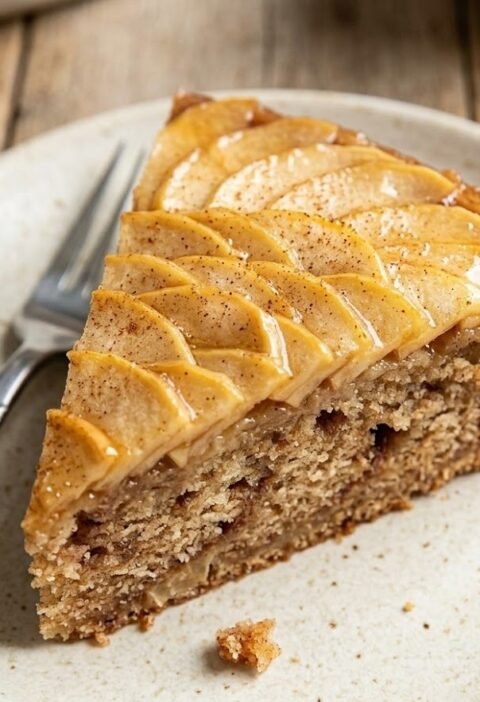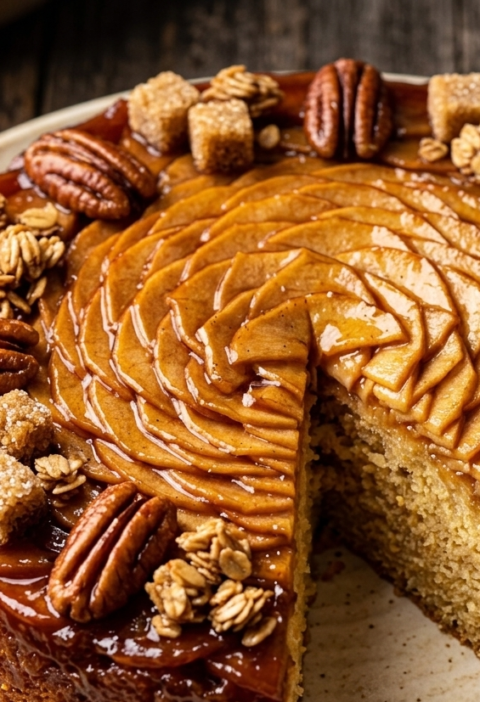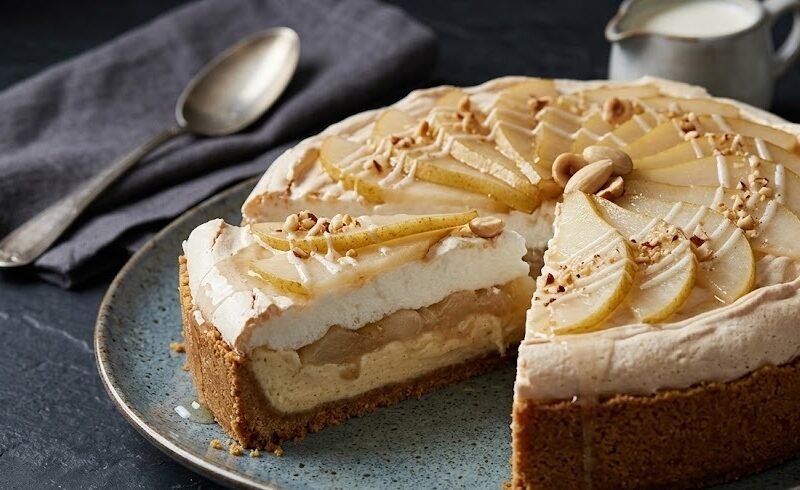
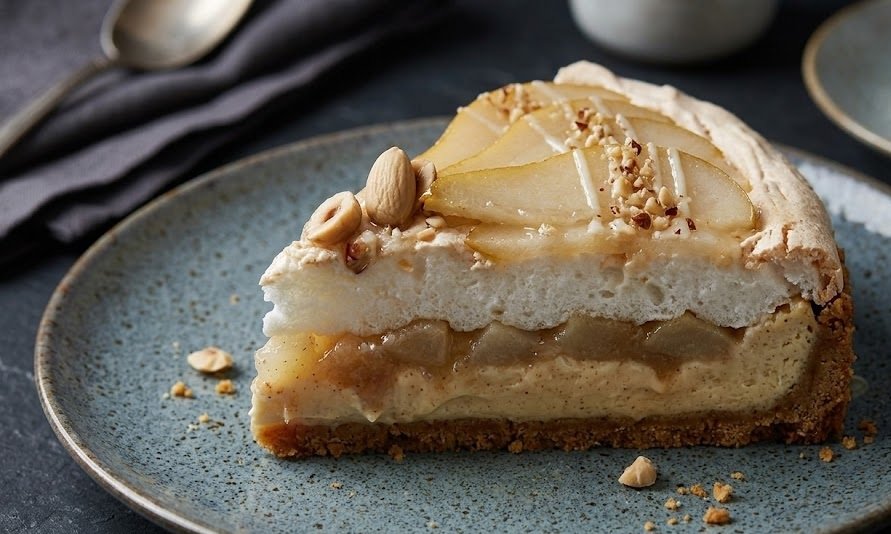
This Mary Berry-inspired pear pavlova is a showstopping dessert with a crisp, pale meringue shell and a soft, marshmallowy centre. It’s topped with clouds of vanilla cream and delicate poached pears for a pudding that tastes light, creamy, and quietly luxurious. It’s very doable for confident beginners, as long as you follow a few simple rules for whipping and cooling. Total time is about 2 hours 30 minutes, including cooling.
Ingredients
For the pavlova base
- 4 large egg whites, at room temperature
- 225g caster sugar
- 2 tsp cornflour
- 1 tsp white wine vinegar (or white vinegar)
- 1 tsp vanilla extract
For the poached pears
- 3 firm-ripe pears, peeled, halved and cored
- 150g caster sugar
- 500ml water
- 1 tbsp lemon juice
- Optional: 1 tsp vanilla extract, or 1 cinnamon stick
For the topping and finishing
- 300ml double cream, cold
- 1 tbsp icing sugar
- Optional: 1 tsp vanilla extract
- Optional: flaked almonds (lightly toasted) or shaved dark chocolate
How to Make Mary Berry Pear Pavlova Recipe
- Prepare the oven: Preheat the oven to 150°C or 130°C fan (300°F or 265°F fan). Line a large baking tray with baking parchment, then draw a 20cm circle on the parchment (flip the paper over so the pen does not touch the meringue).
- Get your equipment ready: Use a large, clean bowl and a clean whisk. Any grease can stop the egg whites from whipping properly, so wipe the bowl and whisk with a little vinegar on kitchen paper if you like.
- Whip the egg whites: Whisk the egg whites until they hold stiff peaks. You want them glossy and firm, with peaks that stand upright when you lift the whisk.
- Add the sugar slowly: Add the caster sugar 1 tablespoon at a time, whisking well between each addition. This should take a few minutes. When ready, the meringue will be thick, very glossy, and you should not feel gritty sugar if you rub a little between your fingers.
- Fold in the stabilisers: Sprinkle over the cornflour, then add the vinegar and vanilla. Fold gently until just combined, keeping as much air in the mixture as possible.
- Shape the pavlova: Spoon the meringue onto the circle and spread it out. Create a slight dip in the centre for the cream and pears, and swirl the sides if you like.
- Bake low and slow: Bake at 150°C (130°C fan) for 15 minutes, then reduce the oven to 120°C (100°C fan) and bake for 1 hour. The pavlova should look dry and set on the outside, with minimal colour.
- Cool gently: Turn the oven off and leave the pavlova inside to cool for at least 1 hour (longer is even better). Keep the oven door closed so it cools gradually and is less likely to crack or collapse.
- Poach the pears: While the pavlova cools, add the water, sugar, and lemon juice to a wide saucepan. Bring to a gentle simmer, add the pears, and poach for 15 to 25 minutes, depending on ripeness. They are ready when a knife slips in easily but they still hold their shape.
- Cool and drain the pears: Let the pears cool in the syrup for flavour, then lift out and drain well. If you want, simmer the syrup for 5 to 10 minutes to reduce it slightly, then cool (a little drizzle can be lovely, but use sparingly so it does not soften the meringue).
- Whip the cream: Whip the cold double cream with icing sugar (and vanilla, if using) to soft peaks. Keep it billowy rather than stiff so it sits nicely on the pavlova.
- Assemble just before serving: Place the cooled pavlova on a serving plate. Spoon the whipped cream into the centre, then arrange the pears on top. Finish with toasted flaked almonds or shaved dark chocolate if you like.
Tips
Why did my pavlova crack?
Some cracking is completely normal and, honestly, part of the charm. Big cracks usually come from baking too hot or cooling too quickly. Stick to the low temperature, and let it cool in the switched-off oven with the door closed.
How do I stop pavlova from weeping or turning sticky?
Weeping is often caused by undissolved sugar or humid weather. Add the sugar gradually and whisk until the meringue is thick and smooth, with no gritty feeling. Try to assemble close to serving time and avoid storing pavlova in the fridge uncovered.
How do I get a marshmallow centre without underbaking?
Low and slow baking is the secret. The outside dries and sets, while the centre stays soft. If you bake hotter to “speed it up,” the outside browns and the inside can collapse.
Can I use tinned pears instead of poached pears?
Yes. Drain them very well and pat dry with kitchen paper. Tinned pears are softer and wetter, so keeping moisture away from the meringue matters more.
Serving Suggestions
- Serve with a small jug of cooled pear poaching syrup on the side for those who want a drizzle.
- Add a few raspberries or blackberries for a sharper, fruitier finish.
- Pair with a cup of strong tea or espresso to balance the sweetness.
- For a more festive version, add a pinch of cinnamon to the pear syrup and finish with dark chocolate.
Storage
Room temperature
The unfilled pavlova base keeps best in an airtight container at room temperature for up to 2 days. Keep it away from heat, steam, and humidity.
Refrigerator
Once topped with cream and pears, pavlova is at its best within 2 to 4 hours. If you must refrigerate leftovers, cover loosely and eat within 24 hours. The meringue will soften, but it will still taste lovely.
Freezing
You can freeze the unfilled meringue base for up to 1 month, well wrapped and inside an airtight container. Defrost at room temperature (still wrapped) and do not refrigerate. Do not freeze once assembled with cream.
Nutrition
- Calories: 340 kcal
- Carbohydrates: 55 g
- Protein: 4 g
- Fat: 12 g
- Saturated fat: 7 g
- Sodium: 60 mg
Disclaimer: Nutrition values are estimates and will vary depending on ingredients, brands, and portion sizes.
FAQs
Can I make pavlova the day before?
Yes. Make and cool the pavlova base the day before, then store it in an airtight container at room temperature. Whip the cream and add the pears just before serving so the meringue stays crisp.
Why is my pavlova chewy instead of crisp?
A pavlova should be crisp on the outside and soft in the middle, but if it is chewy all over it usually needs a little longer to dry out in the oven. Make sure you bake at the lower temperature for long enough and cool it slowly in the oven so the shell sets properly.
Can I use granulated sugar instead of caster sugar?
Caster sugar is best because it dissolves faster, giving a smoother, more stable meringue. If you only have granulated sugar, pulse it briefly in a food processor to make it finer, then add it very gradually while whisking.
How do I know when the sugar has dissolved in the meringue?
Rub a small pinch of meringue between your fingers. If it feels gritty, keep whisking. Properly dissolved sugar gives a thick, glossy meringue and helps prevent weeping later.
What can I use instead of vinegar and cornflour?
They help stabilise the meringue and keep the centre soft. If you do not have vinegar, use the same amount of lemon juice. If you do not have cornflour, arrowroot works well in the same quantity.
Mary Berry Pear Pavlova Recipe
Course: DessertCuisine: BritishDifficulty: Medium8
slices25
minutes1
hour15
minutes150
minutes340
kcal1
hour40
minutesCrisp-on-the-outside, marshmallow-soft pavlova topped with vanilla whipped cream and gently poached pears. A classic British-style dessert that looks impressive but is straightforward with the right tips.
Ingredients
4 large egg whites (room temperature)
225g caster sugar
2 tsp cornflour
1 tsp white wine vinegar (or white vinegar)
1 tsp vanilla extract
3 firm-ripe pears, peeled, halved and cored
150g caster sugar (for poaching syrup)
500ml water
1 tbsp lemon juice
300ml double cream, cold
1 tbsp icing sugar
Flaked almonds or shaved dark chocolate (optional, to finish)
Directions
- Preheat the oven to 150°C (130°C fan). Line a baking tray with baking parchment and draw a 20cm circle on the paper.
- Whisk egg whites to stiff peaks, then add the sugar a spoonful at a time until thick and glossy.
- Fold in cornflour, vinegar and vanilla. Pile onto the circle and shape with a shallow dip in the centre.
- Bake for 15 minutes, then reduce the oven to 120°C (100°C fan) and bake for 1 hour. Turn off the oven and cool inside with the door closed for at least 1 hour.
- Poach pears in water, sugar and lemon juice for 15 to 25 minutes until tender. Cool in the syrup, then drain well.
- Whip double cream with icing sugar until soft peaks form.
- Assemble just before serving: top pavlova with cream, arrange pears, and finish with almonds or chocolate if using.
Notes
- Make sure the bowl and whisk are perfectly clean and grease-free for the best volume.
- Cool the pavlova slowly in the switched-off oven to reduce cracking and collapse.
- Assemble close to serving so the meringue stays crisp.